This autumn, consumption habits are changing faster than the collections in store windows. Between a declining average basket size in clothing shops, teenagers consulting AI assistants before buying an item, and non-alcoholic beer making its way to seasonal tables, this year’s lifestyle is unlike that of the previous year.
Average basket size in stores: why consumers are spending less
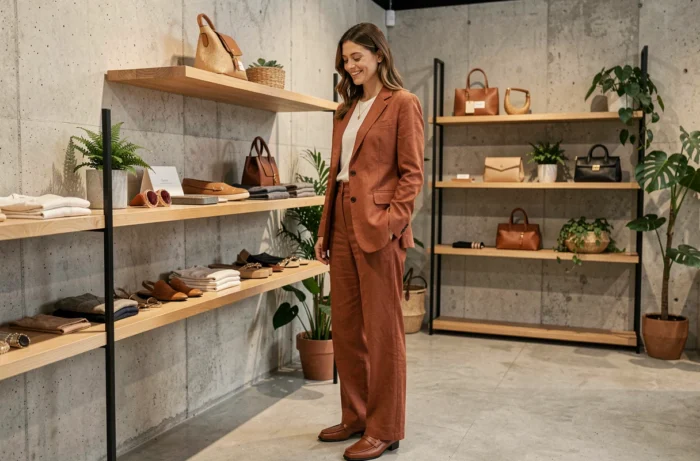
You may have noticed that shopping streets remain lively on Saturdays, but the shopping bags seem smaller? The Retail Int. panel from the Alliance du Commerce, published on September 7, 2026, confirms this impression. Foot traffic in clothing stores remains stable, slightly positive in July-August. However, revenue is declining.
The explanation can be summed up in one sentence: customers are still entering stores, but they are spending less per visit. This is not a rejection of physical shopping; it’s a budgetary trade-off where the wardrobe takes a back seat to essential expenses.
This phenomenon encourages two reflexes. The first is second-hand shopping, which continues to gain ground in fashion. The second is the shift in spending towards smaller, more gratifying products, such as cosmetics. “Accessible” beauty is actually holding up better than fashion items in the luxury segment, a sign that consumers prefer a high-end lipstick to a designer coat.
To track these developments over the weeks, all the content from Mademoiselle Camille analyzes the underlying movements that shape daily life, from fashion to decor.
AI assistants and shopping journeys: product discovery is changing channels
Until now, one would discover a product on Instagram, compare prices on Google, and then buy online or in-store. This classic journey is beginning to crack.
A Mastercard press release from September 14, 2026, points to a strong signal: French teenagers are already using AI to search for products. Specifically, instead of typing “trendy white sneakers” into a search engine, they ask a conversational assistant who filters, compares, and recommends.
Why does this change matter for lifestyle in the broad sense? Because it alters how trends spread. The role of influencer, long held by social networks and fashion publications, is shifting to tools that aggregate information differently. Brands that relied entirely on their Instagram visibility will also need to appear in the responses generated by these assistants.
What this means for consumers
- Price and feature comparisons become almost instantaneous, increasing the pressure on the value-for-money of products.
- Personalized recommendations are gradually replacing the endless scrolling on social media for inspiration.
- Trust is shifting: we move from influencer opinions to algorithmic summaries, with their own biases to understand.
Non-alcoholic drinks: a lifestyle trend that goes beyond wellness discourse
One could categorize non-alcoholic beer under “health” and move on. That would overlook the scale of the phenomenon. According to an analysis reported by Boursorama on September 28, 2026, non-alcoholic beer is booming in France, and the heatwave summer has only reinforced this dynamic.
What’s new is not the existence of these products. It’s their normalization in ordinary social contexts: aperitifs, barbecues, terrace outings. Non-alcoholic drinks are no longer a timid alternative placed at the end of the table. They occupy the center of the counter.
For brands, the market represents a concrete growth lever. For consumers, it’s a lifestyle choice that no longer requires justification. This cultural shift also affects the restaurant industry, where non-alcoholic cocktail menus are expanding season after season.
Fashion and decor: seasonal trends to remember
In terms of wardrobe, the new season continues a clear line: fewer pieces, better chosen, worn longer. The decline in clothing revenue does not mean that people are losing interest in fashion. It means they are buying with more discernment.
Decor: what stands out this autumn
In decor, the season leans towards raw materials and muted tones. Thick linen, artisanal ceramics, and light woods dominate the displays. The goal is not to completely renew an interior, but to add one or two pieces that change the atmosphere of a room.
- Recycled textiles are gaining visibility in home accessory collections (cushions, throws, rugs).
- Terracotta, sage green, and off-white remain the most prominent colors in this season’s new ranges.
- The trend towards modular decor is progressing, with furniture designed for small spaces and multiple uses.
What connects fashion, decor, and new consumption habits this season is a common thread: trade-offs. Consumers are not giving up the pleasure of shopping. They are choosing differently, comparing differently, and prioritizing products that justify their price through real use or lasting pleasure.