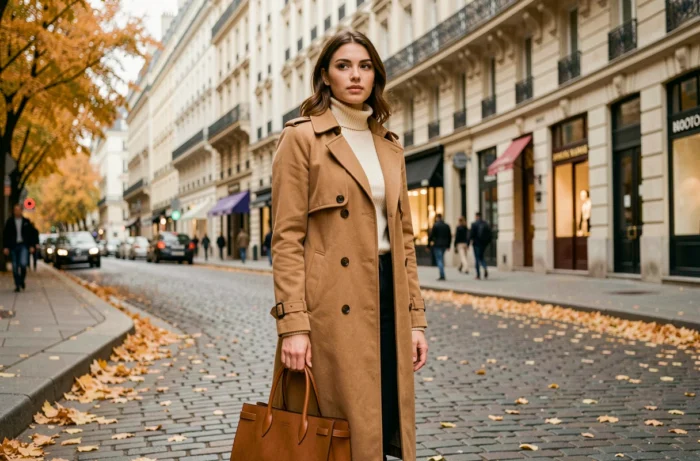
A fashion trend refers to a stylistic movement that establishes itself on runways, in shop windows, and on the streets during a given season. For the current season, the collections share a common thread: the search for controlled volumes and bold contrasts, far from a simple catalog of pieces to be reproduced identically.
Fluid and structured silhouettes: volume as a style tool
Previous seasons had established fluidity as the dominant reflex, with long, flowing dresses and wide pants. This season extends this movement but corrects it. Volumes no longer float: they are defined by sharper cuts, darts, and slightly marked shoulders.
The oversized blazer remains a central piece. Worn over structured wide pants, it creates a column silhouette that elongates without overwhelming. The flowing long dress gains structure thanks to more constructed draping that replaces shapeless falls.
To follow fashion trends on Blospot, the underlying logic remains the same: adapt the volume to your body shape rather than copying a runway look as is. An XXL blazer works on a slim silhouette but requires a different adjustment on a broad bust.
Feminine-masculine mix: contrasts that define the season
The most striking stylistic code this season can be summed up in one word: contrast. Pairing an elegant piece with a utilitarian or sportswear element becomes a full-fledged style gesture, not a fashion accident.
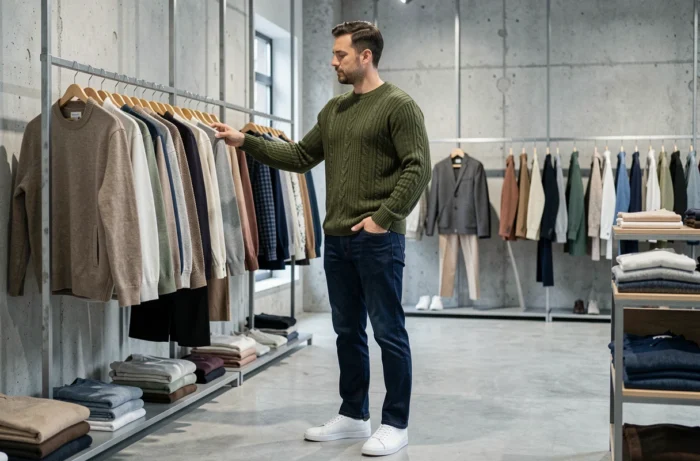
In practical terms, this results in associations that classic wardrobes kept separate:
- A midi dress worn with chunky-soled sneakers and a utility jacket, to break the overly formal vibe
- A structured blazer over cargo pants or barrel jeans, borrowing from the men’s wardrobe without sacrificing elegance
- Athleisure pieces (hoodie, visible bralette) integrated into a more refined look with luxurious materials like silk or linen
This feminine-masculine mix does not mean dressing “like a man.” The principle is based on the juxtaposition of opposing styles within the same outfit. The tension between the two styles produces the desired effect.
Color palette: natural tones versus bold shades
The colors of the season are divided into two families that coexist without mixing in the same outfit. On one side, natural tones (beige, ecru, warm brown, soft khaki) form easy-to-coordinate neutral bases. On the other, saturated bold shades like deep red, butter yellow, or emerald green punctuate the look.
The rule that works best: choose a base from the neutral family, then inject a single bright color per outfit. Beige pants with a bright red top and an ecru blazer remain coherent. Three saturated colors in the same silhouette create visual noise.
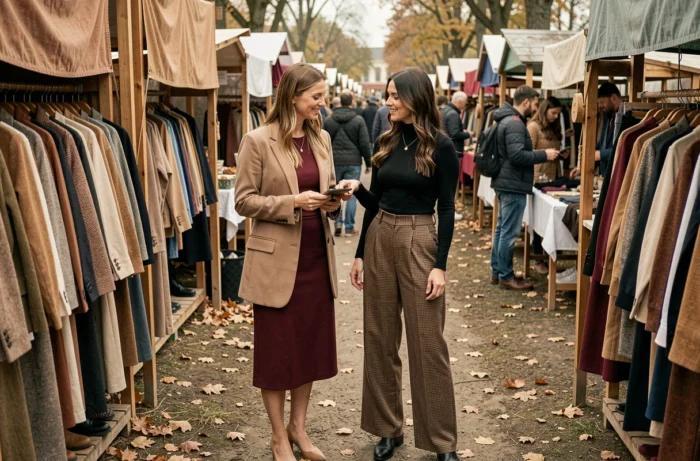
Fabrics play a role in the perception of color. A beige linen does not produce the same effect as a beige satin. Textured materials absorb light and soften shades, while smooth fabrics intensify them. Choosing the fabric equates to choosing the intensity of the color.
Personalizing fashion trends according to your existing wardrobe
Adopting a trend does not mean replacing your wardrobe. The most sustainable approach is to identify two or three seasonal pieces that integrate with the clothes you already own.
Three criteria can help filter:
- Compatibility with existing basics: a trendy piece that can only be worn with other trendy pieces incurs high complementary purchase costs
- Realistic wearing frequency: an oversized blazer can be worn at the office, in the evening, on weekends. An ultra-specific piece worn twice a season is not worth the investment
- The volume-morphology relationship: the volume should serve the silhouette, not overwhelm it. Very wide pants require a more fitted top, and vice versa
This selective approach produces a more coherent style than a complete renewal based on runway shows. Personalization also comes through accessories: a belt that cinches the waist, a structured bag, or minimalist jewelry is enough to anchor an outfit in the season without changing everything.
Current collections converge towards a simple idea: personal style takes precedence over the faithful reproduction of a runway look. A wardrobe built around a few well-chosen pieces, worn with contrasting styles and a controlled palette, lasts longer than an accumulation of trendy pieces worn without intention.