
A merchant who signs a lease for their premises rarely commits for one or two years. French legal framework provides for a minimum duration of nine years, divided into three periods of three years. This mechanism, known as the 3 6 9 lease, structures the majority of relationships between landlords and tenants in commercial, artisanal, or industrial premises. Understanding how it works avoids costly mistakes, both at the time of signing and at termination.
Three-Year Termination of the Commercial Lease: Two Notification Methods
Most guides on the subject mention the tenant’s ability to vacate the premises every three years. Few detail the practical modalities of this notification. The Commercial Code provides two ways to notify the three-year notice: extrajudicial act (via a judicial officer) or registered letter with acknowledgment of receipt.
The second option is less expensive and faster. It is legally sufficient, provided that a notice period of six months is respected before the end of the current three-year period. Sending the letter five months before the deadline, for example, makes the notice unenforceable. The tenant then remains committed for an additional three years.
To delve deeper into the specifics of the 3 6 9 commercial lease, the conditions of form and timing deserve careful reading before any action.
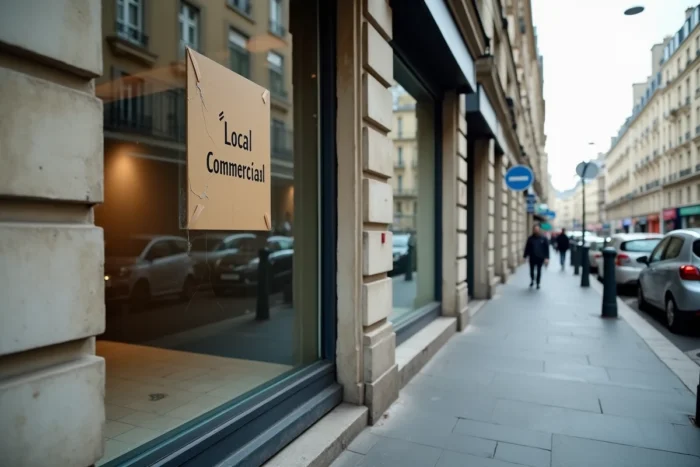
Commercial Rent Review: Three Distinct Levers
Do you think that rent only changes according to an annual index? The mechanism is richer than that. Three levers coexist, each obeying different rules.
- The legal three-year review occurs at each three-year period. The landlord or tenant can request a rent adjustment based on the commercial rent index (ILC) or the tertiary activities rent index (ILAT), depending on the nature of the activity conducted.
- The indexation clause, when included in the contract, allows for automatic indexing each year. The rent then follows the variation of the chosen index without either party needing to make a request.
- Rent deregulation can apply in specific situations, for example, when the rental value of the premises has significantly changed compared to the current rent. This mechanism goes beyond the simple index play and can lead to a more marked increase.
Confusing these three levers or ignoring the existence of one of them exposes the tenant to poor anticipation of their charges. The landlord risks underestimating the return on their investment.
Landlord Rights During the Commercial Lease
The 3 6 9 lease is often presented as a protective device for the tenant. This is true: the right to renewal and eviction compensation are its pillars. A landlord who refuses to renew without legitimate reason must pay compensation, often substantial.
This protective framework is not absolute, however. The owner retains regulated means of action during the duration of the contract.
Early Termination for Legitimate Reason
In the event of serious misconduct by the tenant (repeated non-payment, unauthorized subletting, change of activity without agreement), the landlord can initiate a termination procedure. The resolutory clause, present in almost all commercial leases, accelerates this process by providing for automatic termination after an unsuccessful formal notice.
Renovations and Reconstruction
The landlord can also reclaim the premises for renovation or elevation work. This right, strictly regulated, does not exempt the payment of compensation to the tenant, but it shows that tenant protection does not prevent any recovery before the term.

Commercial Lease and Derogatory Lease: Choosing the Right Rental Contract
Not all professional premises fall under the 3 6 9 lease. The derogatory lease (also called a precarious lease) allows for renting a commercial space for a maximum duration of three years, without granting the tenant the right to renewal or the protection of the commercial lease status.
Why this choice? An entrepreneur testing an activity in a neighborhood, or an owner waiting to sell their property, may prefer this more flexible arrangement. The derogatory lease never exceeds three years, all periods combined between the same parties for the same premises.
The classic trap: staying in the premises after the expiration of the derogatory lease without signing a new contract. In this case, a common law commercial lease (the famous 3 6 9) automatically comes into effect. The tenant then acquires the right to renewal, and the landlord loses the initial flexibility. This shift, provided for by law, regularly surprises both parties.
Conditions for Applying the Status of Commercial Leases
The protective status of the commercial lease does not automatically apply to all rentals of premises. Four cumulative conditions must be met:
- A lease contract exists between the owner and the tenant.
- The premises are designated for commercial, artisanal, or industrial use.
- A business is operated in the premises.
- The tenant is registered with the RCS or the RNE, depending on their status.
A liberal professional, for example, does not fall under the status of commercial leases unless expressly stated in the contract. They then sign a professional lease, governed by different rules, with a minimum duration of six years and different review mechanisms. Confusing the two regimes can distort the entire negotiation of rent and exit conditions.
The 3 6 9 lease remains the reference framework for the vast majority of businesses and artisanal activities in France. Its mechanism, structured around three-year periods, protects the tenant while leaving the landlord with regulated levers. Checking the conditions of application, anticipating termination deadlines, and distinguishing the three modes of rent review are the three reflexes to adopt before signing.