
Powerade and Coca-Cola are two products from the same industrial group, but their compositions serve radically different purposes. The former is an isotonic drink formulated to compensate for losses related to physical exertion. The latter is a recreational soda whose primary function is taste enjoyment. Comparing their impact on health requires understanding what each provides, and especially in what context.
Isotonic drink and soda: two formulations that have nothing in common
The confusion between these two categories remains common. An energy drink (or isotonic) like Powerade contains carbohydrates, sodium, potassium, and sometimes B vitamins. Its formulation aims to provide energy during exertion and to facilitate hydration by maintaining an electrolyte balance close to that of blood plasma.
A soda like Coca-Cola primarily provides sugar, phosphoric acid, and caffeine. It contains neither sodium in significant amounts, nor potassium, nor any ingredient intended to compensate for water or mineral loss. Its composition was not designed to accompany physical activity.
One should also not confuse energy drinks with energy boosters. Energy boosters (like Red Bull or Monster) are stimulants based on caffeine and taurine, with no sports purpose. Powerade belongs to the category of performance drinks, not to that of stimulants. When asking whether choosing Powerade or Coca-Cola for health makes sense, the answer primarily depends on when the drink is consumed.
Carbohydrates, sodium, and potassium: the ingredients that make a difference
Sodium is the mineral most abundantly lost through sweating. A sports drink intentionally contains it to speed up intestinal absorption of water and compensate for these losses. Without sodium, water passes through the digestive tract less effectively during prolonged exertion.

Potassium plays a role in muscle contraction and blood pressure regulation. Isotonic drinks include a calibrated dose of it. Magnesium, sometimes added, contributes to muscle relaxation after exertion.
Coca-Cola primarily provides sugar in the form of sucrose or glucose-fructose syrup. This sugar, outside of an exertion context, directly contributes to excess caloric intake without nutritional benefit. Phosphoric acid is regularly pointed out for its potential long-term effects on bone health.
Both drinks contain sugar. The difference lies in the presence of electrolytes in the isotonic drink, which gives it a physiological function absent from the soda.
Usage context: the real criterion for health
Powerade has nutritional relevance only during prolonged or intense exertion. For light activity, daily walking, or routine hydration, water remains the best choice. Consuming an isotonic drink at the office or in front of the television amounts to ingesting sugar and salt without physiological reason.
Coca-Cola, on its part, was never designed as a health drink. It remains a pleasure product whose regular consumption is associated with excessive intake of simple sugars. Health authorities advise against sodas as a common beverage, particularly for children.
Outside of physical exertion, neither drink replaces water. The usage context alone determines the relevance of one or the other. An athlete in the middle of a football match or running has a real need for carbohydrates and sodium that Powerade can cover. Outside of this situation, the question of “the best choice for health” loses its relevance.
Quality of sports drinks: not all are created equal
Powerade is one of the most accessible isotonic drinks in supermarkets, but comparisons made by sports dietitians rarely place it among the most qualitative formulations. Some sports nutrition specialists note that its composition, while compliant with the criteria for a performance drink, lags behind more specialized brands.
The criteria that distinguish a quality sports drink:
- An appropriate carbohydrate/sodium ratio for the duration and intensity of the intended effort, with a concentration that facilitates intestinal absorption
- The presence of potassium and magnesium in amounts consistent with losses through sweat
- The absence of artificial sweeteners, unnecessary colorings, or flavors whose list exceeds that of active ingredients
- A label or certification that guarantees the absence of banned substances (relevant for athletes subject to doping controls)
Reading the ingredient list and comparing nutritional values between brands remains the most reliable approach. Price or brand notoriety does not predict the quality of the formulation.
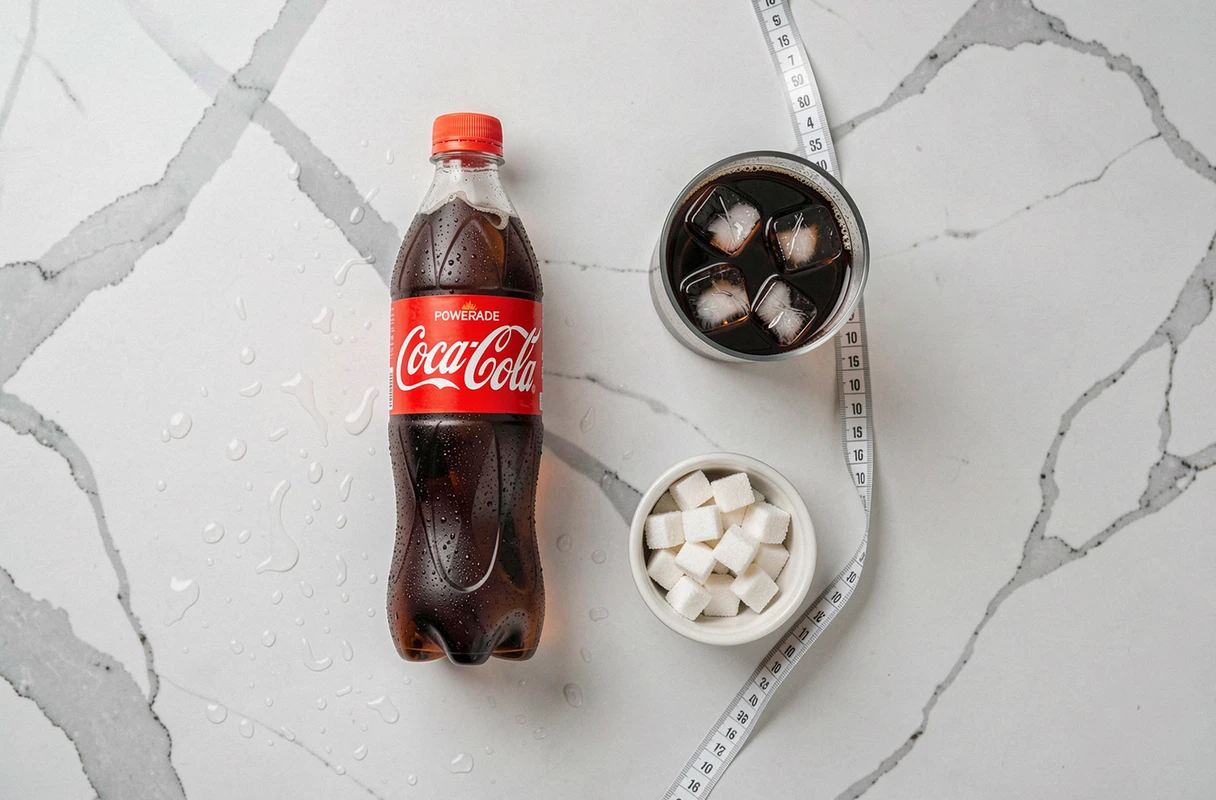
Isotonic drinks in daily life: a false good idea
The marketing of sports drinks perpetuates the idea that they are beneficial in all circumstances. In reality, an isotonic drink consumed without physical exertion provides unnecessary calories and salt. For the majority of people who do not engage in prolonged activity, these products offer no advantage over water.
This observation also applies to “zero” or light versions: the absence of sugar does not justify the consumption of sodium and additives outside of a real physiological need.
A simple framework allows for arbitration:
- Effort of less than an hour at moderate intensity: water is sufficient
- Prolonged or intense effort with heavy sweating: an isotonic drink truly compensates for electrolyte and energy losses
- Relaxation break, meal, routine hydration: neither Powerade nor Coca-Cola are relevant choices for health
The question “Powerade or Coca-Cola” often masks the real issue. The healthiest choice for most situations remains plain water. Powerade only takes over when the body is actively losing minerals and energy. Coca-Cola, on the other hand, remains an occasional pleasure without any particular nutritional function.