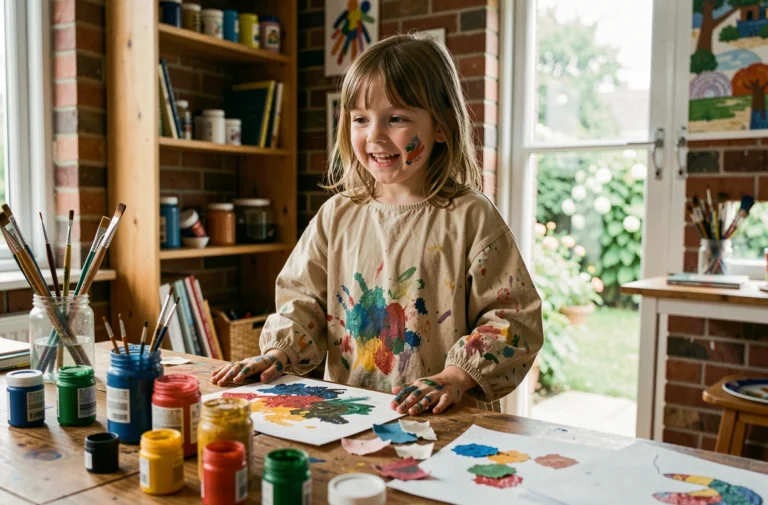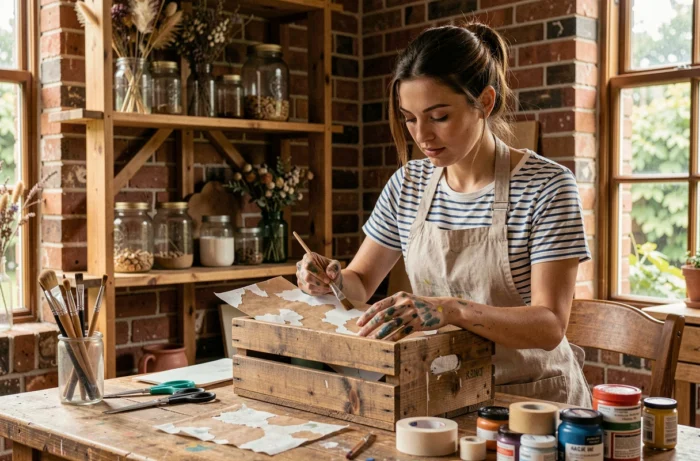
When tidying up your workshop after a project and coming across fabric scraps, empty jars, or leftover epoxy resin, the question always arises: what could we make new this season? Creative hobbies are evolving quickly, and the techniques that worked two years ago are giving way to more raw, tactile approaches, often focused on reclaimed or natural materials.
Creations with dried and pressed flowers: the ground gesture that changes everything
Dried flowers have been everywhere for a few seasons, but the novelty lies in how they are worked. Instead of buying ready-to-use bunches, more and more creatives are picking, pressing, and drying their own plants. The Pinterest Hobbies Trend Report 2026 confirms this trend: searches for dried and pressed flowers are increasing significantly.
Home pressing requires little equipment. A wooden flower press (or two boards tightened with clamps), absorbent paper, and patience. Expect two to three weeks for a well-flattened result, usable in a frame, as a bookmark, or integrated into resin. To check out the latest on Les Bricoleries de Nanie, you can find project ideas that utilize this type of natural material.
A common pitfall: pressing flowers that are too thick (peonies, double roses) without separating the petals one by one. They turn dark instead of retaining their color. Favor flat and thin flowers like pansies, cosmos, or ferns to start.
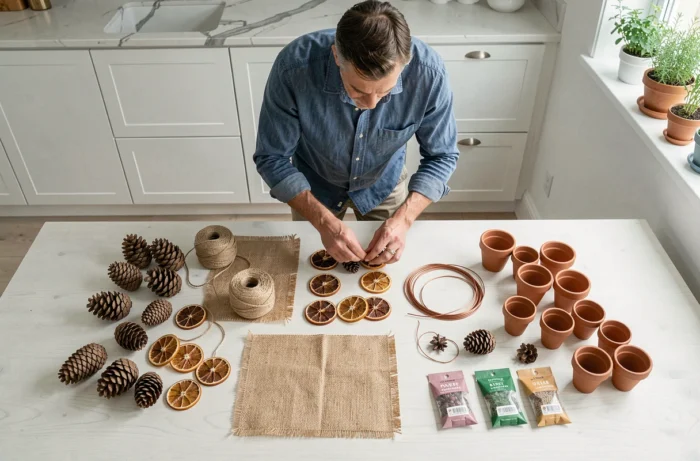
Homemade cosmetic DIY: a market that goes beyond simple leisure
Making your own skincare is no longer a niche hobby. According to a report from the Federation of Beauty Companies (FEBEA), the French DIY cosmetics market was worth 150 million euros in 2025. We’re talking about balms, creams, and serums formulated in your kitchen with raw ingredients.
On the ground, the challenge is not finding recipes (there are thousands online), but maintaining hygiene standards. A poorly stored lip balm can spoil in a few days. Feedback varies on this point, but the basic rule remains simple: sterilize your containers, work with clean utensils, and note the manufacturing date on each jar.
What you need to start without wasting
- Vegetable butters (shea, cocoa) in small formats, to test before investing in a whole kilo
- Essential base oils (lavender, tea tree) purchased from a supplier that provides safety data sheets
- Reusable silicone molds, which can also be used for soaps and cleaning tablets
- A kitchen thermometer, because the heating temperature affects the final texture of the product
You don’t need a laboratory. But a dedicated workspace and glass containers improve the quality of the result compared to an improvised mix in a salad bowl.
Creative journaling and scrapbooking: the return of analog hobbies
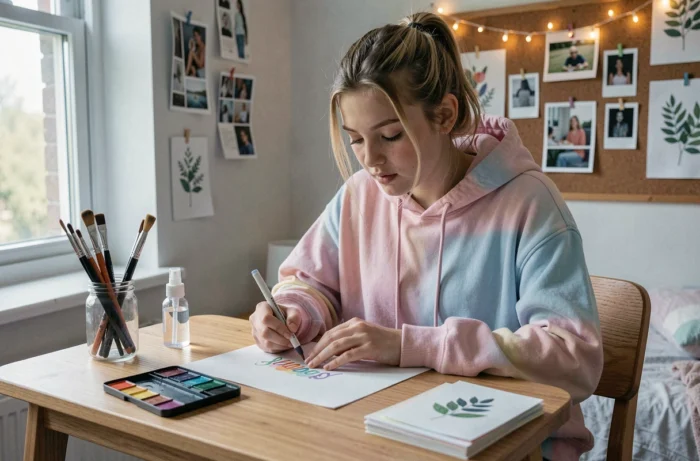
Screens are tiring, and it shows in creative practices. Journaling (illustrated notebooks, bullet journals enriched with collages, washi tape, drawings) attracts an audience looking for an activity without notifications. The Pinterest Hobbies Trend Report 2026 also notes a clear increase in searches related to scrapbooking and journaling.
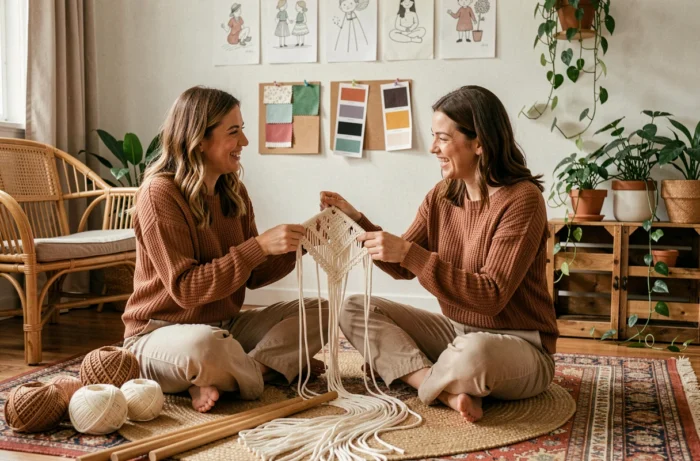
In practice, a creative journal is built with what you have on hand. Receipts, packaging scraps, stamps, wallpaper samples. The constraint of found materials encourages inventiveness more than a stock of new supplies.
Three page formats that work well
For those who freeze in front of a blank page, here are tested structures:
- The “collection” page: glue five to ten elements of the same color or theme, without text, just the visuals
- The “open letter” page: write a short text by hand and then decorate the margins with stamps or masking tape
- The “map” page: draw a rough plan of a place visited and annotate memories directly on the sketch
What makes journaling a sustainable practice is that it requires no drying, cooking, or storage space. A notebook and a pencil case are enough, even in a studio.
DIY tips for the home: personalize your doors and small furniture
A trend spotted this season is to transform interior doors into real decorative elements. We go beyond just a coat of white paint. Creatives are adding applied moldings (wooden strips glued with neoprene glue), painting contrasting frames, or applying wallpaper directly to a door panel.
The cost remains modest: a few meters of half-round molding, a spray can of paint, and masking tape. The result gives a woodwork effect that changes the look of a room without heavy renovations.
The mistake to avoid: neglecting the preparation of the surface. A laminated door that is not sanded will reject paint within a few weeks. A light sanding with 120-grit followed by a primer solves the problem. Preparation takes longer than the decoration itself, but it’s what makes the project last.
This season’s creative activities share a common point: they value the hand, the raw material, and the long process. Whether pressing flowers, formulating a balm, or gluing moldings on a door, the gesture counts as much as the result. The necessary materials remain accessible, and most of these projects can be completed over a weekend, without any special skills.