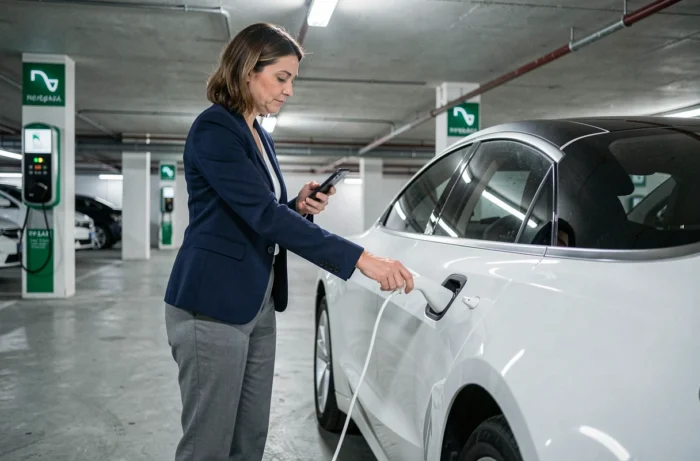
The 70% reduction on the benefit in kind for 100% electric vehicles, which came into effect with the decree of February 25, 2025, has changed the game for HR departments and fleet managers. This measure, combined with the full recovery of VAT on professional charging electricity, places the electric vehicle in a tax position that the thermal vehicle can no longer compete with.
Tax Depreciation and Annual Taxes: The Real Fleet Calculation
The increased tax depreciation cap for electric vehicles is a lever that many managers underutilize. On a long-term rental contract or direct acquisition, this cap, which is higher than that of thermal engines, reduces the taxable base structurally over the entire holding period.
The exemption from certain annual taxes on company vehicles adds to this mechanism. By combining depreciation and exemptions, the net tax cost of an electric vehicle can represent a significant difference compared to an equivalent diesel.
We recommend modeling the TCO over the actual expected usage duration, incorporating these tax parameters from the tender phase with lessors. An article detailing the benefits of purchasing an electric car for the company helps structure this reflection in advance.
The electric vehicle has become a lever for tax compliance as well as a CSR lever. Ignoring these trade-offs means overpaying for the fleet without operational return.
Benefit in Kind for Electric Vehicles: Impact on Salary Policy

Since February 2025, the flat-rate method applies a 70% reduction on the benefit in kind for 100% electric vehicles made available to employees. The annual cap has been reassessed, which enhances the attractiveness of the scheme for managerial and mobile commercial profiles.
In practice, an employee assigned an electric company vehicle declares a benefit in kind significantly lower than that of a comparable thermal model. For the company, the associated social contributions decrease in the same proportion.
This mechanism transforms the electric vehicle into a competitive deferred compensation tool. In a context of recruitment pressure, offering an electric company vehicle with a reduced benefit in kind strengthens the salary package without increasing the gross payroll.
We observe that companies that communicate this tax differential right from the job offer achieve a better acceptance rate for positions requiring frequent mobility.
VAT Recovery on Charging: A Often Overlooked Item
VAT on electricity used for charging professional vehicles is 100% recoverable under professional usage conditions. This treatment is significantly more favorable than that applied to fossil fuels, where recovery remains partial depending on the type of engine.
For this recovery to be effective, the charging infrastructure must be properly linked to the company’s account, and invoices must distinguish the professional portion. On-site charging stations simplify this traceability, but charging on public networks requires a dedicated charging card with detailed reporting.
- On-site company charging stations allow for automated tracking of consumption by vehicle, facilitating tax justification.
- Multi-operator charging cards with CSV export or API provide the necessary granularity to separate kWh between professional and personal use.
- Charging at the employee’s home requires a dedicated meter or a separate reading to isolate the reimbursable portion.
This item, often underestimated in TCO simulations, can represent a significant recurring saving across the entire fleet.
Operational Management of the Transition: Steps That Determine the Outcome
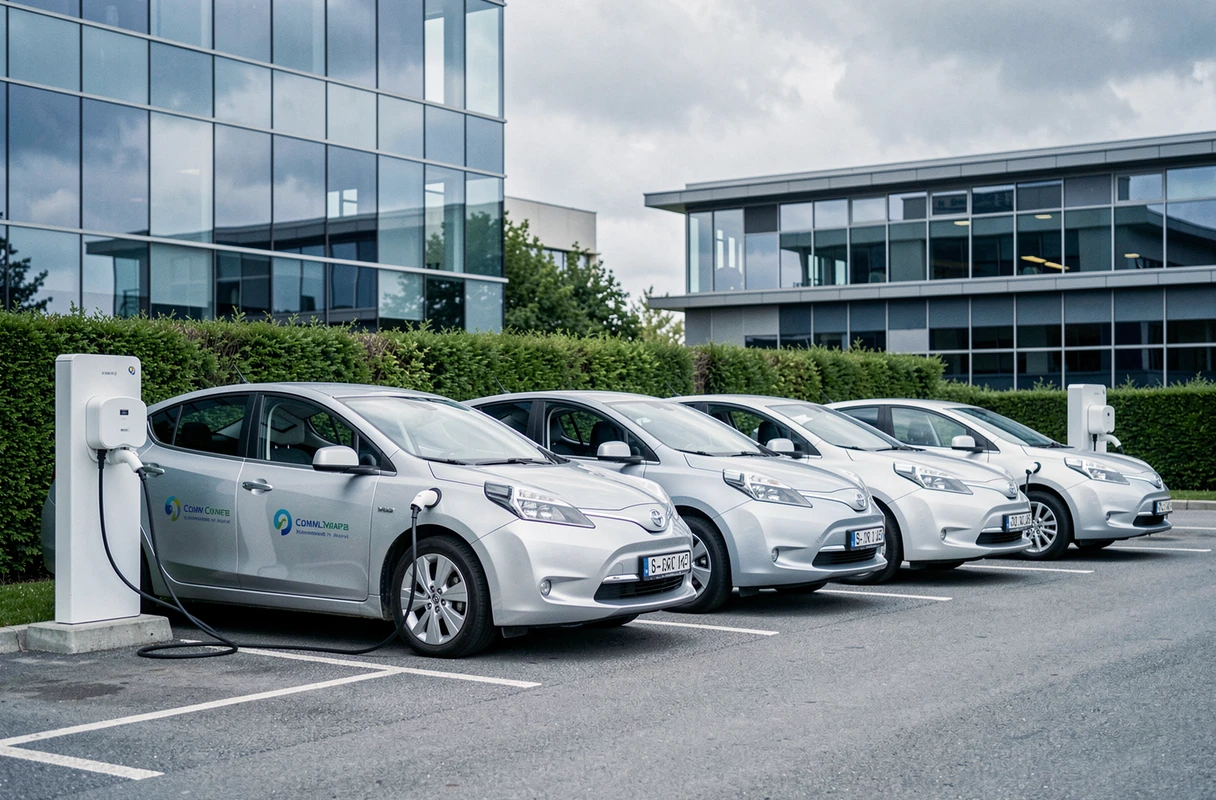
The transition to electric is not just about choosing a model. Success depends on the sizing of the charging infrastructure and the phasing of the renewal. Replacing the entire fleet at once exposes to bottlenecks at the charging stations and availability disruptions.
We recommend a phased deployment, starting with vehicles whose driving profile is most compatible: recurring urban and suburban trips, predictable daily mileage, daily return on site.
- Audit the actual driving profiles (daily mileage, frequency of long trips) before defining the necessary charging station-to-vehicle ratio.
- Size the site’s electrical installation considering the total power of the charging stations, not just the number of charging points.
- Integrate a supervision tool (Energy Management System) to manage charging during off-peak hours and smooth power demands.
- Plan the decommissioning of thermal vehicles based on the end of rental contracts to avoid early termination costs.
This sequential approach allows for adjusting the pace of conversion to field feedback and avoids oversized investments in infrastructure.
Regulatory Compliance and Fleet Greening Obligations
Legal obligations for renewing low-emission vehicles are gradually tightening. Companies with a fleet beyond certain thresholds are required to integrate a growing quota of electric or very low-emission vehicles with each renewal.
Anticipating these deadlines avoids forced purchases in a hurry, often made under less favorable commercial conditions. Manufacturers apply variable delivery times depending on the models, and periods of high regulatory demand create stock tensions.
The coupling of regulatory obligation and tax advantage creates a window of opportunity for companies that structure their renewal plan now. Waiting until the last moment means losing negotiation leverage and facing market delays.
The electric car in the company is no longer just an environmental conviction issue. It is a financial, HR, and regulatory trade-off that is managed with fleet data, not with slogans.